
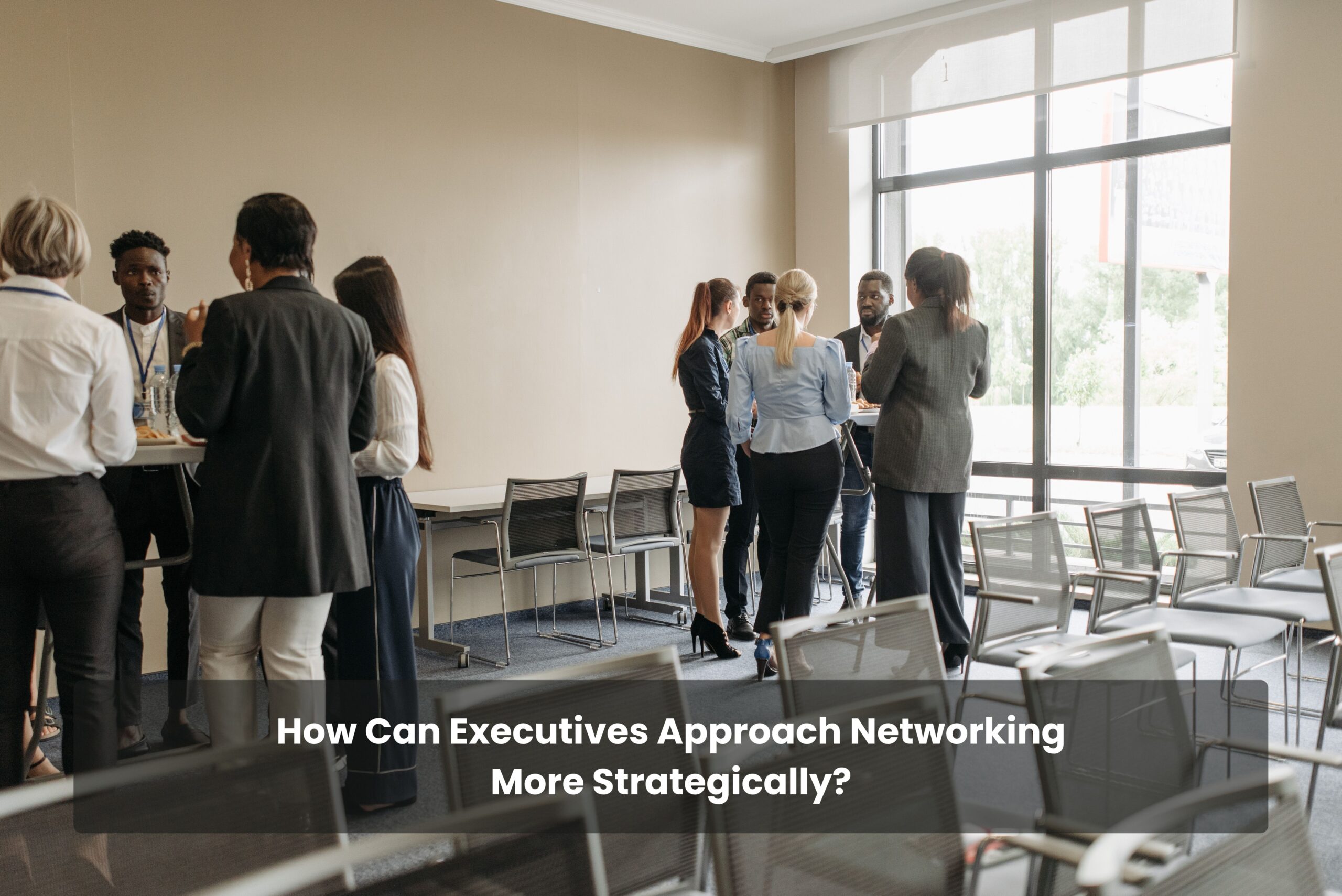
Why do executives struggle with networking?
Many senior leaders have progressed through their careers without actively cultivating external relationships. Their focus has understandably been on delivering results within their organisation.
As a consequence, networking often becomes reactive. It begins only when a redundancy situation arises or when an executive decides to pursue a career move. This creates unnecessary pressure and limits available options.
Others associate networking with transactional behaviour. They worry about appearing insincere or overly self-promotional. In reality, effective networking is built upon genuine relationships, mutual support, and professional curiosity.
The hidden job market also plays a role. A significant number of executive opportunities emerge through referrals, introductions, and informal conversations before they reach public advertisement. Those with strong networks are therefore more likely to hear about opportunities earlier.
How can networking become more strategic?
Begin by identifying the relationships that matter most. Former colleagues, industry peers, clients, suppliers, and professional associations can all contribute valuable insights and connections.
Rather than reaching out only when seeking a role, make relationship-building an ongoing activity. Share relevant articles, congratulate contacts on achievements, and arrange occasional conversations without a specific agenda.
LinkedIn provides an effective platform for maintaining visibility. Consistent engagement through thoughtful comments and occasional original content can strengthen professional presence without becoming time-consuming.
Quality matters more than quantity. A focused network of engaged contacts is often more valuable than thousands of passive connections.
When arranging conversations, approach them with curiosity. Ask about industry developments, emerging challenges, and future trends. These discussions frequently uncover opportunities that formal job searches miss.
Equally important is being willing to help others. Offering introductions, advice, or encouragement strengthens relationships and builds goodwill over time.
Strategic networking is not about collecting business cards or expanding connection numbers. It is about creating a community of trusted professional relationships that support mutual success.
For executives navigating career transitions, this approach not only broadens opportunity but also provides perspective, encouragement, and access to the hidden market where many senior roles are found.